Affair recovery · Hong Kong & Asia

Affair recovery counselling online

Many relationships continue after an affair, and forgiveness follows its own timetable. Recovery needs an order of operations, and most couples stall because they attempt the stages out of sequence.


A stoneware bowl repaired with gold seams beside an iron teapot on a dark wooden table

The order of operations

Almost every couple that stalls after an affair stalls for one of two reasons. They tried to have the “why did you do it” conversation before the injury had stopped, or they tried to move on before the meaning was understood.

A woman wrapped in a blanket at a kitchen table at dawn, holding a mug

Stabilise

Stop the injury. This means full disclosure on agreed terms, contact with the affair partner ended and verifiable, and practical agreements that make the next week manageable. Analysis waits, because analysis at this stage re-traumatises.

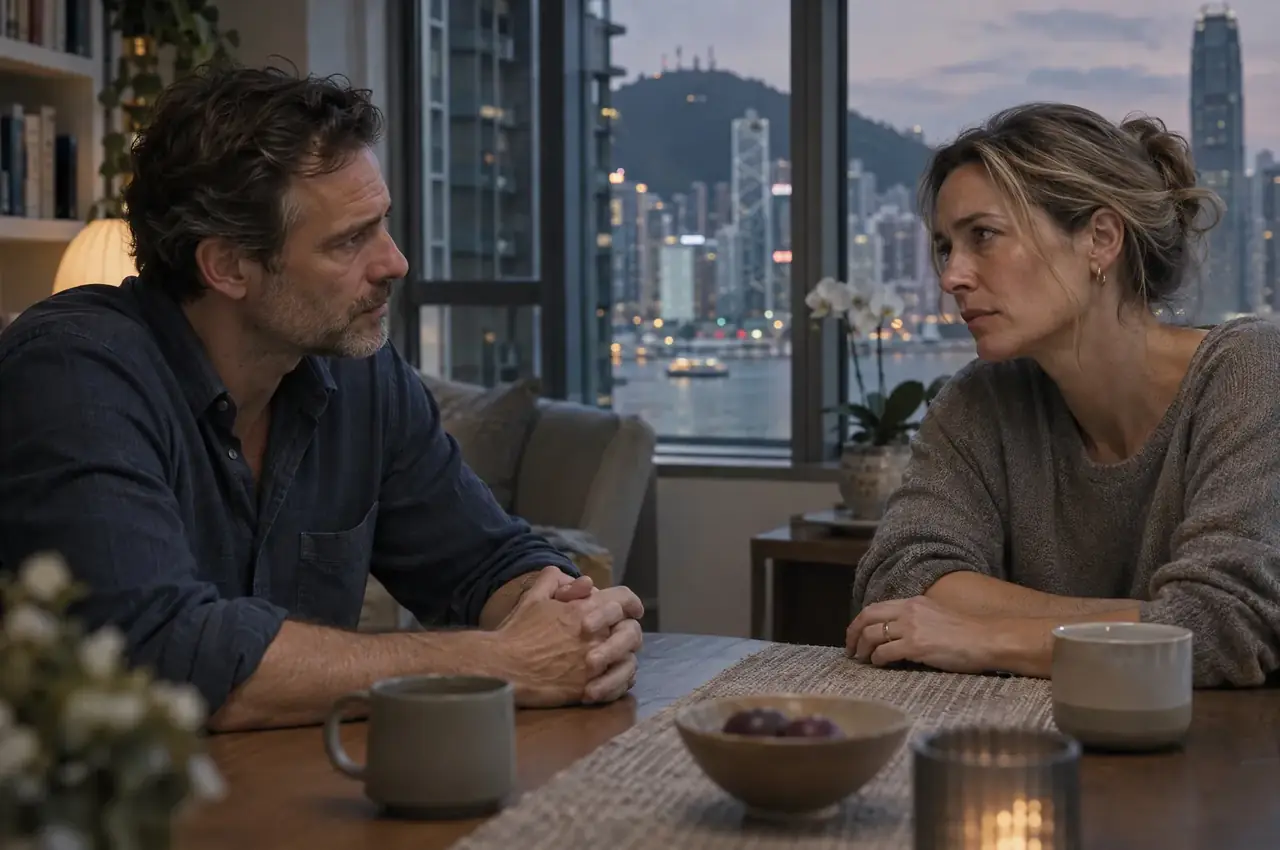
A couple sitting across a dining table in a serious, attentive conversation

Understand

We look at what the affair meant, what function it served, and the state of the relationship beforehand. Understanding what happened is the basis for confidence that it will not recur.

A stoneware bowl repaired with gold seams beside an iron teapot on a dark wooden table

Decide and rebuild

Only at this stage does the question “are we staying together?” get a real answer. Trust is rebuilt here through demonstrated behaviour over time.

What recovery looks like

Timelines vary widely, and anyone who offers a fixed one is guessing. In my experience the first stage takes weeks, and couples who complete all three stages do better than couples who skip to the third.

Questions people ask before they call

Can a relationship survive an affair?

Many do, and some end up on firmer ground, because the affair forced a level of honesty the relationship had been avoiding. Many do not survive, and that is a legitimate outcome too.

In my experience the couples who do well work through the stages in order and avoid rushing to a verdict in the first weeks.

Do we have to know every detail?

Not every detail. Compulsive detail-seeking is itself a symptom and tends to deepen the injury. The betrayed partner does need enough truth to stop scanning for more, and disclosure in instalments, with a new fact every few weeks, is the most reliable way to prevent recovery.

Part of the stabilisation stage is agreeing what disclosure covers, doing it once and thoroughly, and then stopping.

Should we see someone together or separately?

Usually both, in a defined structure. Conjoint sessions carry the couple work, and individual sessions address the trauma response on one side and the meaning-making on the other. Unstructured parallel therapy with no coordination works poorly, particularly when each partner recruits a therapist as an advocate.

Book a free 20-minute discovery call.

A brief video call to talk through what you are dealing with and how we can address it. Couples attend together.